Source Calcined Kaolin Clay for Cosmetics, Paper, and Ceramics
Find 30 verified suppliers offering calcined kaolin clay for cosmetics, paper, and ceramics. Compare specifications like Al2O3 content, mesh size, and moisture levels to select the right material for your manufacturing needs; compare the available evidence and request quotations based on your requirements.
Key considerations
Products List


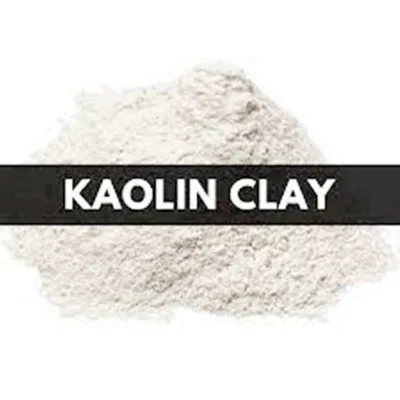
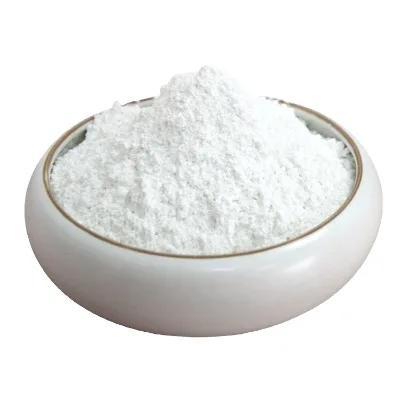


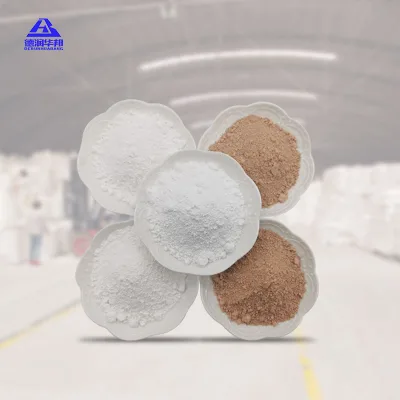
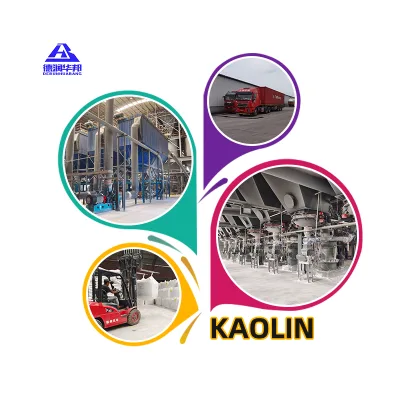


Comprehensive Sourcing Guide
Calcined Kaolin Clay for Cosmetics Sourcing Guide
Procuring calcined kaolin clay for cosmetic formulations requires a nuanced understanding of how thermal treatment alters the mineral’s physical and chemical properties. Unlike raw kaolin, calcined varieties undergo high-temperature processing that enhances brightness, oil absorption, and texture, making them ideal for matte finishes in powders and foundations. Buyers must distinguish between washed and calcined techniques, as the latter often yields a more refined particle structure suitable for high-end personal care products. The observed market data indicates a wide range of product models, such as CW98 and CW0813, suggesting that suppliers offer diverse grades tailored to specific viscosity and opacity requirements.
Sourcing decisions should be driven by the intended cosmetic application, whether for paper, ceramic, or direct cosmetic use, as the supplied facts highlight varied end-uses. While some listings specify applications in paper or ceramics, the core keyword focuses on cosmetics, requiring buyers to verify if the calcined clay meets cosmetic-grade purity standards. The presence of certifications like ISO and CE in the observed data provides a baseline for quality management, but buyers must ensure these certifications extend to cosmetic safety regulations. Understanding the origin, primarily from Hebei, China, helps in assessing supply chain stability and logistical costs, which are critical for maintaining consistent production schedules in the beauty industry.
Product Scope and Observed Listing Signals
The observed product listings reveal a significant diversity in physical attributes, with shapes ranging from powder to raw clay, indicating that suppliers may offer both pre-processed and base materials. The price range of 0.2 to 490 USD suggests a broad spectrum of quality tiers, from industrial-grade fillers to premium cosmetic additives. Buyers should note that the minimum order quantity (MOQ) varies from 1 kg to 1000 units, allowing for flexible testing phases before committing to large-scale procurement. This variability in MOQ is particularly useful for small-batch cosmetic manufacturers who need to validate ingredient performance without excessive inventory risk.
Packaging options observed include 25kg and 50kg bags, with some listings specifying plastic bag packaging for 25kg units, which is standard for preventing moisture contamination. The dimensions and mesh sizes listed, such as 325/500/800/1000/1250/2000 mesh, are critical for determining the fineness of the final cosmetic product. Finer meshes generally result in smoother textures, which are preferred in high-end face powders and foundations. Buyers must carefully match the mesh size to their formulation needs, as coarser particles can affect the spreadability and aesthetic appeal of the cosmetic product.
Technical Specifications to Verify
Chemical composition is a primary determinant of kaolin quality, with key metrics including Al2O3, SiO2, Fe2O3, and TiO2 content. The observed data shows Al2O3 content ranging from 18.38% to 46.15%, and SiO2 from 52% to 66.4%, indicating significant variation in purity. For cosmetic applications, low iron and titanium oxide content is crucial to prevent discoloration and ensure a bright, white appearance. Buyers should verify that the Fe2O3 content is kept below 0.5% and TiO2 below 1.3% to maintain the desired aesthetic qualities in the final product.
Moisture content and particle size distribution are also vital technical specifications. The observed moisture levels range from 0.08% to 13.3%, with lower moisture generally preferred for better flowability and stability in cosmetic formulations. Particle dimensions, such as 200 Mesh-4000 Mesh or 325-1250mesh, directly impact the texture and opacity of the cosmetic. Buyers must request detailed particle size analysis to ensure the clay meets the specific rheological requirements of their formulation, as inconsistent particle sizes can lead to batch-to-batch variability in product performance.
Compliance and Safety Documentation
Certifications such as ISO and CE are observed in the product data, providing a foundation for quality assurance. However, for cosmetic use, buyers must verify additional compliance with regional regulations, such as the EU Cosmetics Regulation or FDA guidelines. These regulations often require specific documentation regarding heavy metal limits, microbial contamination, and ingredient safety assessments. Buyers should request certificates of analysis (CoA) that explicitly confirm compliance with cosmetic-grade standards, ensuring that the kaolin clay is free from harmful contaminants.
The origin of the product, primarily from Hebei, China, necessitates careful scrutiny of supply chain transparency. Buyers should ensure that suppliers provide full traceability documentation, including source mining permits and processing facility audits. This is particularly important for maintaining brand integrity and avoiding reputational risks associated with unethical sourcing practices. Additionally, buyers should verify that the supplier has a robust quality management system in place, capable of consistently producing material that meets the specified chemical and physical parameters.
Cost Drivers and Commercial Terms
The wide price range observed, from 0.2 to 490 USD, is influenced by factors such as purity, mesh size, and certification status. Higher purity kaolin with lower iron and titanium content typically commands a premium price due to the additional processing required. Buyers should consider the total cost of ownership, including shipping, handling, and potential tariffs, rather than focusing solely on the unit price. Understanding the cost drivers helps in negotiating better terms and selecting suppliers that offer the best value for the required quality level.
Commercial terms, including MOQ and lead times, vary significantly among suppliers. The observed MOQ range of 1-1000 units allows for flexibility, but buyers should negotiate terms that align with their production volume and cash flow constraints. Lead times are not explicitly stated in the observed data, so buyers must proactively inquire about production and delivery schedules to avoid supply chain disruptions. Establishing clear commercial terms early in the sourcing process helps in building a stable and reliable supply relationship, ensuring consistent availability of raw materials.
Supplier Qualification and Quality Control
Supplier qualification should begin with a thorough review of their manufacturing capabilities and quality control processes. Buyers should assess whether the supplier has dedicated facilities for calcining and grinding kaolin, as these processes require precise temperature and particle size control. The observed product models, such as CW98 and CW0813, suggest that suppliers have standardized product lines, but buyers should verify that these models meet their specific technical requirements. Requesting sample batches for testing is a critical step in evaluating supplier capability and product consistency.
Quality control measures should include regular testing of chemical composition, moisture content, and particle size distribution. Buyers should establish clear acceptance criteria and implement incoming quality inspection protocols to ensure that each batch meets the specified standards. Collaborating with suppliers to develop a joint quality improvement plan can help in addressing any deviations and enhancing overall product quality. Regular audits of the supplier’s facility and processes are also recommended to ensure ongoing compliance with quality and safety standards.
Long-Term Procurement Checks
Long-term procurement success depends on continuous monitoring of supplier performance and market trends. Buyers should track key performance indicators such as on-time delivery, product quality consistency, and responsiveness to issues. Establishing a regular review process with suppliers helps in identifying areas for improvement and strengthening the partnership. Additionally, staying informed about changes in cosmetic regulations and industry standards is crucial for ensuring that the sourced kaolin clay remains compliant and competitive.
Diversifying the supplier base is a prudent strategy to mitigate supply chain risks. Buyers should identify and qualify alternative suppliers in different regions to ensure continuity of supply in case of disruptions. Building relationships with multiple suppliers also provides leverage in negotiations and access to a broader range of product options. Regularly evaluating the total cost of ownership and value proposition of each supplier helps in making informed sourcing decisions that support the long-term goals of the cosmetic business.
FAQs
What is the typical Al2O3 content in calcined kaolin clay?
The typical Al2O3 content is approximately 46.15% for washed grades and 45+2% for raw calcined varieties. This high alumina level ensures excellent opacity and brightness, making it suitable for cosmetic applications where purity and chemical stability are critical for skin-safe formulations.
Can calcined kaolin clay be customized for specific mesh sizes?
Yes, customization is available for various mesh specifications. Standard options include 325, 500, 800, 1000, 1250, and 2000 mesh. Buyers can select the precise particle size required for their cosmetic texture needs, ensuring optimal dispersion and smooth application in final products.
What certifications are required for cosmetic-grade kaolin clay?
ISO and CE certifications are commonly provided for these products. These standards verify that the manufacturing process meets international quality and safety requirements. Buyers should request specific documentation to ensure compliance with cosmetic regulations in their target markets before placing bulk orders.
How is calcined kaolin clay packaged for shipment?
Packaging typically involves 25kg or 50kg bags. Materials may include plastic bags or standard industrial sacks designed to protect the powder from moisture and contamination. Proper packaging ensures the product remains dry and pure during transit, maintaining its quality for cosmetic manufacturing.
What is the minimum order quantity for kaolin clay?
The minimum order quantity ranges from 1 kg to 1000 units depending on the supplier. Small samples like 1 kg are available for testing, while bulk industrial orders start higher. Buyers should confirm the specific MOQ with the manufacturer to align with their production scale.
Where is calcined kaolin clay typically sourced from?
Products are often sourced from Hebei, China. This region is known for producing high-quality kaolin with consistent chemical properties. Buyers can verify the origin to assess logistics costs and supply chain reliability, ensuring a steady flow of raw materials for their cosmetic lines.